
No-deposit Incentives during the Uk Online casinos
December 13, 2024List Of Games With Function Buy Option
December 14, 2024So I was thinking about how folks in the Solana ecosystem juggle yield farming with staking rewards, and honestly, it’s a bit of a wild west out there. You dive in expecting smooth sailing—earn passive income, right? But wait, it’s way more tangled beneath the surface. Wow! The way wallet extensions handle transaction history can seriously make or break your DeFi experience.
At first glance, yield farming seems straightforward: lock your tokens, earn rewards. But then you realize, managing those rewards alongside staking is like trying to keep multiple spinning plates balanced, especially when you want to track every move without losing your mind. Hmm… I remember when I first tried to piece together my transaction logs across different platforms—it felt like hunting for a needle in a haystack.
What bugs me most is how many solutions out there promise seamless integration but fall short on transparency. You think you’re earning X, then fees and hidden costs chip away silently. Plus, if you’re like me, you want to double-check your staking rewards history without jumping through endless hoops. Here’s the thing: leveraging a reliable wallet extension can make that complexity manageable.
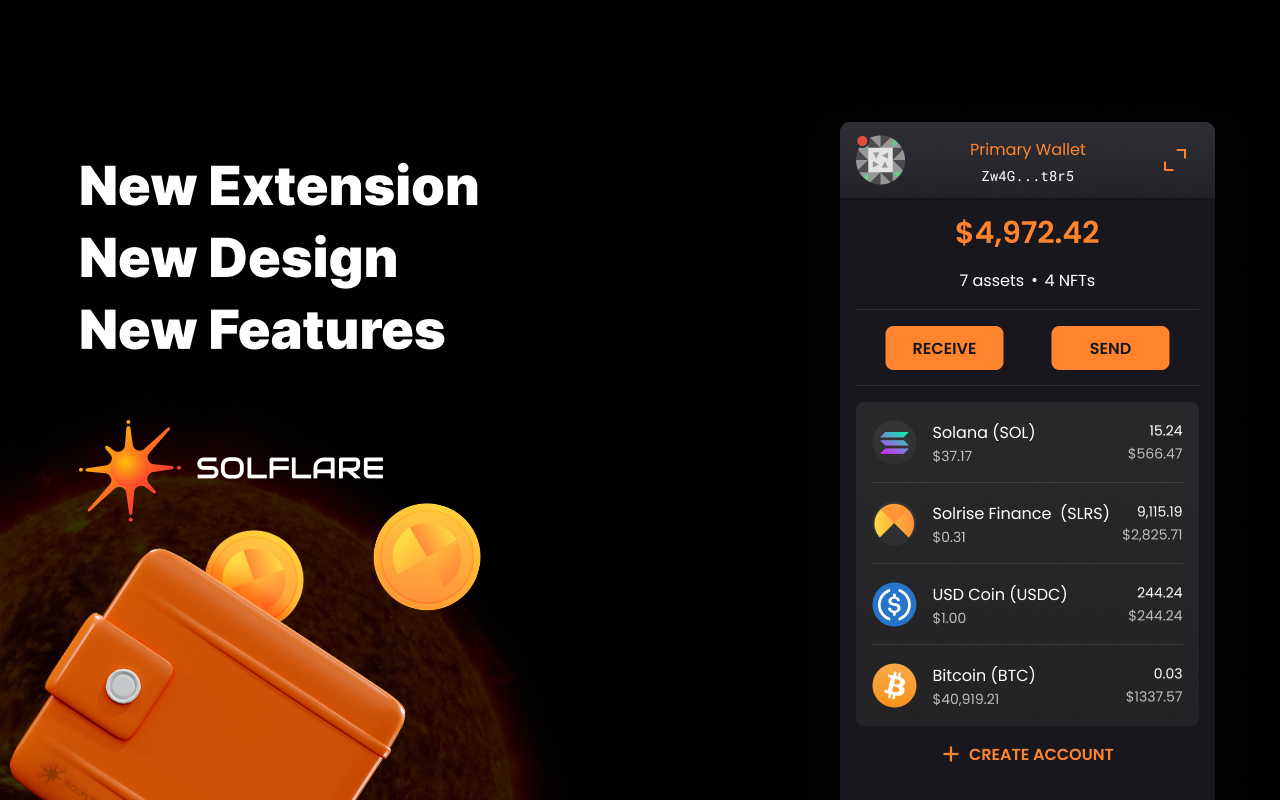
Take the solflare wallet extension, for instance. It’s not just a tool; it’s almost like a personal assistant for your Solana assets. I’m biased, yes—but having your staking rewards and transaction history neatly organized in one place makes yield farming less scary, especially for the less tech-savvy. Seriously, if you haven’t tried it, you might be missing out on a smoother ride.
Now, let’s unpack the nitty-gritty a bit—because on one hand, yield farming offers juicy returns, but on the other, the volatility and gas fees can bite hard. Actually, wait—let me rephrase that. Solana’s low fees definitely help, but it’s still crucial to keep track of every transaction, or your gains might not look so rosy after all.
Why Tracking Transaction History Matters More Than You Think
Okay, so check this out—when you’re deep into staking and yield farming, every transaction counts. That’s not just crypto folklore; it’s real dollars (or fractions thereof) slipping through the cracks if you’re not vigilant. For example, I once missed a tiny fee deduction that, over months, totaled more than my actual staking rewards. Oof.
Most wallets give you a basic history, but they don’t always break down rewards versus principal movements clearly. That’s where things get tricky. You gotta dig into each transaction—was it a stake, an unstake, a reward claim? That’s easier said than done if your wallet UI is clunky or if you’re using multiple platforms.
The solflare wallet extension, however, shines here. Its interface combines transaction history with staking rewards info in one dashboard, so you don’t have to cross-reference a dozen places. Plus, it supports tracking across various DeFi protocols on Solana, which is a huge time saver. (Oh, and by the way, it’s also open-source, which adds some peace of mind.)
My instinct said that relying on a single source for this data is risky, but with Solflare, I feel like I have a reliable snapshot. Not perfect—nothing is—but way better than juggling multiple spreadsheets or wallet explorers. That said, you still want to periodically export your data or back it up; no system is foolproof.
The Dance Between Yield Farming and Staking Rewards
Yield farming and staking aren’t exactly twins, but they’re definitely siblings. Yield farming often involves moving tokens around different pools to maximize returns, while staking usually locks your tokens in one place to secure the network and earn rewards. Both come with their own quirks and risks.
One thing I found surprising is how staking rewards can sometimes feel like a slow drip compared to the flashier yield farming returns. But, in reality, staking often provides steadier, less volatile income. That’s why many seasoned Solana users combine both strategies—diversify your risk and keep some income predictable.
Here’s where the solflare wallet extension really helps again. By consolidating your staking and yield farming positions, you get a clearer picture of your overall portfolio health. It even notifies you when staking rewards are claimable, which is a small but very welcome perk. Honestly, keeping track without it felt like spinning my wheels.
Still, the temptation to chase the highest APRs can cloud judgment. I’ve been there, jumping from one yield farm to another chasing double-digit gains, only to realize my net profits were eaten up by fees and slippage. Yield farming in Solana is faster and cheaper than Ethereum, no doubt, but that doesn’t mean it’s free from pitfalls.
Something else to remember: not all staking rewards are created equal. Some protocols distribute rewards in native tokens, some in governance tokens, and converting those back to stablecoins can introduce additional steps and costs. The solflare wallet extension tracks these nuances fairly well, but you still have to stay sharp.
Personal Experience: How I Tamed My DeFi Chaos
Let me tell you about my own journey. I started off with a handful of Solana tokens staked here and there, and a couple of yield farms that promised high returns. Naturally, I ignored transaction tracking at first—big mistake. After a few months, I had no clue whether I was actually profiting or just cycling tokens.
It was frustrating. Something felt off about my reports. I’d glance at the blockchain explorers, but they’re not exactly user-friendly for the casual investor. Then, I stumbled on the solflare wallet extension, and it was like someone flipped a switch. Suddenly, my staking rewards were crystal clear, transactions neatly logged, and I could strategize better.
That said, I’m not 100% sure it’s the perfect tool for everyone. I still use a few other trackers for cross-checking. But for day-to-day management, it’s become indispensable. And since it’s tailored for Solana, it feels more native than some generic wallets.
Here’s the thing: managing DeFi on Solana isn’t just about catching high yields; it’s about sustainable tracking and risk management. The solflare wallet extension helps bridge that gap between complexity and usability.
So yeah, if you’re deep in the Solana DeFi space, juggling staking and yield farming rewards, give the solflare wallet extension a try. It might just save you from future headaches and lost gains.
Frequently Asked Questions
Can I track all my staking rewards and yield farming positions in one place?
With the solflare wallet extension, you can get a consolidated view of your staking rewards and yield farming activities across the Solana ecosystem, which simplifies monitoring your earnings and transactions.
Is it safe to use browser wallet extensions like Solflare?
While no wallet is 100% risk-free, the solflare wallet extension is well-regarded for its security features and open-source transparency. As always, use hardware wallets for large holdings and enable all security measures.
How often should I check my transaction history?
Regularly—ideally weekly or after major transactions—to ensure you catch any unexpected fees or irregularities. Tools like the solflare wallet extension make this easier by providing timely notifications and clear histories.