
How Automation Enhances Learning and Engagement
October 24, 2024Hardware Wallets, Yield Farming, and Staking: A Practical Playbook for Keeping Crypto Safe and Productive
October 25, 2024Ever get that gut feeling something’s off when juggling multiple crypto wallets? Yeah, me too. Managing assets on Solana isn’t just about holding tokens anymore—it’s about security, insight, and making smart choices that actually pay off. At first, I figured a simple wallet was enough. But as my portfolio grew, so did the headaches.
Here’s the thing: hardware wallet integration, portfolio tracking, and validator selection aren’t just buzzwords; they’re the backbone of a seamless Solana DeFi experience. It’s like upgrading from a rusty pickup to a sleek Tesla overnight—except with your digital money.
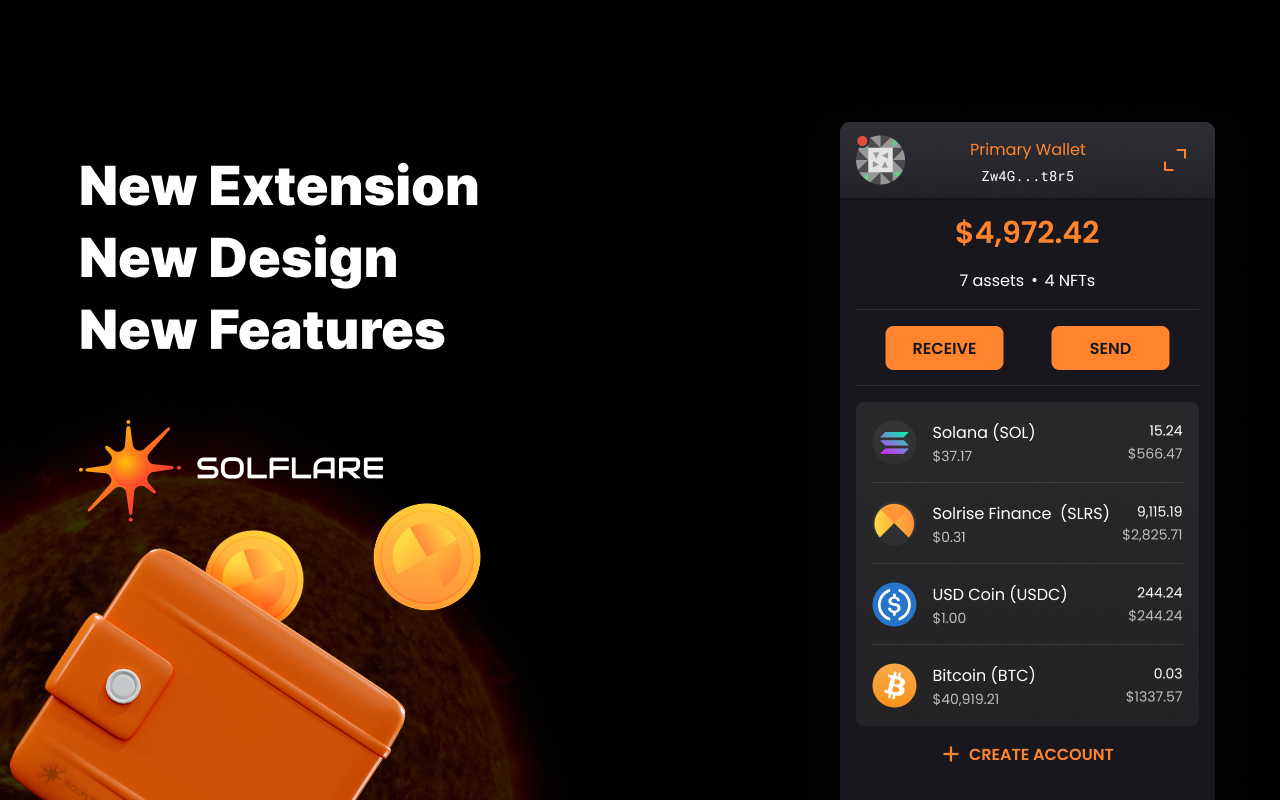
Okay, so check this out—when you start staking SOL or diving into unfamiliar DeFi projects, your wallet becomes your cockpit. You want it secure, intuitive, and transparent. And that’s exactly where wallets like solflare shine by combining these features in a way that feels natural, not forced.
But let me back up a bit because the story isn’t that simple. I wasn’t always sold on hardware wallets. Initially, I thought, “Why bother? Software wallets seem fine for everyday use.” Yet, after a minor scare involving a phishing attempt (yeah, it was a close call), I realized that cold storage integration isn’t optional—it’s essential.
Seriously? Yeah. It’s the difference between locking your front door and leaving it wide open with a welcome mat for hackers.
Now, portfolio tracking—this is where many get lost. You might be staking SOL here, farming tokens there, and flipping an NFT on the side. Without a clear snapshot, you’re flying blind. I’ve tried a bunch of third-party trackers, but the data was either outdated or confusing. That’s why having native tracking baked into your wallet is a total game-changer.
On one hand, tracking can feel like overkill for casual users, but hey, once you start juggling multiple validators and DeFi positions, it’s a sanity saver. And here’s an insight: good portfolio tracking often reveals hidden fees or enables you to spot underperforming assets before it’s too late.
Validator selection, though? That’s where things get really interesting. You might think, “I’ll just pick the biggest validator and call it a day.” Hmm… not quite. Validators differ in uptime, commission rates, and community trust. I once delegated to a seemingly solid validator, only to find out they’d been slacking on uptime, which hurt my rewards.
Validator choice isn’t just about maximizing yield; it’s about supporting network health and decentralization. Sometimes the smaller, more reliable validators offer better returns and keep the network robust. It’s a subtle balance, and wallets that help you weigh these factors make staking less like guesswork and more like strategy.
Something felt off about the way many wallets presented validator stats—they’d either overwhelm with data or hide key info behind clunky menus. That’s why I appreciate when a wallet offers clear, digestible insights without turning you into a blockchain analyst overnight.
By the way, solflare nails this with a blend of intuitive UI and deep functionality. Hardware wallet support is rock solid, portfolio tracking is integrated smoothly, and validator choices come with helpful stats so you’re not flying blind.
Now, here’s a personal quirk: I’m biased towards wallets that don’t require me to bounce between multiple apps or extensions. Managing crypto is complicated enough—why add more moving parts? Solflare’s extension strikes a nice balance, letting me access staking, track my assets, and manage validators all in one place.
Oh, and by the way, the security layer that comes from hardware wallet integration isn’t just about cold storage—it’s about peace of mind. When your private keys stay offline but you can still interact seamlessly with DeFi and staking protocols, you get the best of both worlds.
That said, nothing’s perfect. Sometimes, the UI for selecting validators can feel a bit clunky or overload you with jargon. I’m not 100% sure if the average user appreciates commission differences or why uptime matters so much. It’s a learning curve, but wallets that educate users along the way help bridge that gap.
Here’s what bugs me about many solutions out there: they treat portfolio tracking as an afterthought. You get a list of tokens, but where’s the context? Where’s the insight into staking rewards, claimable tokens, or recent transaction history? Without that, you’re missing half the picture.
In contrast, wallets with integrated tracking tools present your portfolio almost like a dashboard in a high-end car—letting you see speed, fuel, and oil levels at a glance. You know exactly how your investments are performing, what’s accruing, and if there’s a hiccup somewhere.
But what about validator decentralization? It’s tempting to just pick the biggest fish in the pond, but this actually undermines network security. A wallet that helps you identify trustworthy, smaller validators encourages a healthier ecosystem. It’s a bit like choosing to shop local instead of at the big box store—better for the community and often better for your wallet.
So yeah, hardware wallet integration, portfolio tracking, and validator selection might sound like three separate beasts, but they’re really intertwined. Ensuring your assets are secure, your portfolio is transparent, and your staking choices are smart builds a foundation for long-term success on Solana.
If you haven’t checked out solflare yet, I’d say give it a spin. It’s not perfect, but it’s one of the best balances between user-friendliness and advanced features I’ve seen. Plus, it’s tailored for the Solana ecosystem, which makes a huge difference when you want everything working smoothly.
Anyway, I’m still figuring out some of the nuances around validator commissions versus rewards timing, but that’s part of the fun, right? The crypto space is always evolving, and wallets like solflare are trying to keep pace with us users who want both security and usability without jumping through hoops.
Feeling a bit more confident about managing your Solana assets yet? I hope so. Because once you have the right tools—hardware wallet support, clear portfolio insights, and smart validator options—staking and DeFi start feeling less like a gamble and more like a calculated move.